

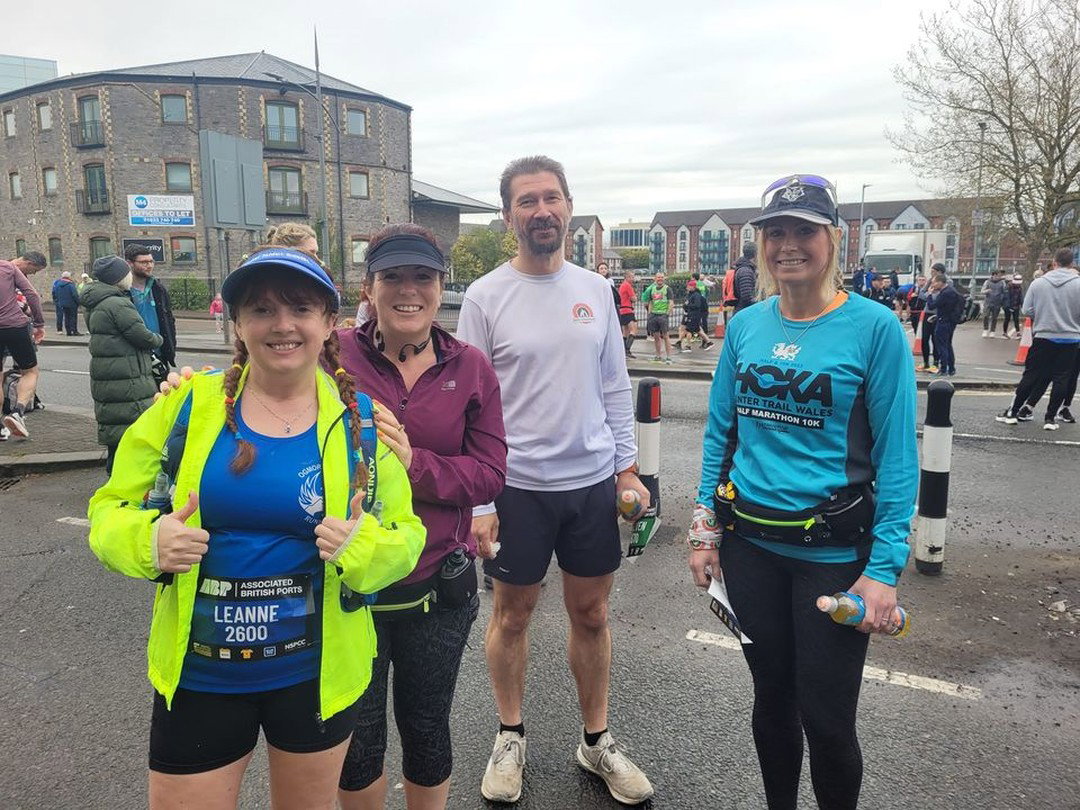
Taking on a running challenge, whether it’s your first 5K or an ultra marathon, is a major undertaking that requires not just physical endurance but also a planned approach to training. Many runners, from beginners to seasoned athletes, are increasingly turning to running coaches to help them prepare effectively and improve their performance. Here are five reasons why hiring a running coach might be an excellent decision for your next race or running challenge.
1. Personalised Training Plans
One of the main benefits of hiring a running coach is the personalised approach, with a training plan tailored to your specific goals, fitness level, and schedule. Unlike generic training programs found online, a coach takes into account every aspect of your life, from work hours to family commitments, adjusting your plan as needed when life gets in the way.
- A coach will assess your current fitness level and consider past injuries to develop a plan that progresses appropriately, reducing the risk of overtraining or undertraining.
- A personalised plan helps you improve your running performance while developing your overall fitness in a balanced way, considering strength, flexibility, and mental endurance and wellbeing.
- You’ll achieve better results than with a generic plan, because it’s tailored to your specific weaknesses, plays to your strengths, and focuses on your specific goals.
PFM Coaching has an onboarding process that gathers all the relevant information needed to build your plan, with ongoing communication so it adapts to the ever-changing commitments of modern life.
2. Expert Guidance on Technique and Form
Running efficiently requires more than stamina and willpower, it also depends on your running form and technique. A good running coach can give you valuable feedback on your form, leading to improved performance and a reduced risk of injury, and will build workouts and drills into your plan to develop your efficiency.
- Coaches can spot issues with your posture, foot strike, or stride that you might not notice yourself. Fixing these can lead to more efficient energy use, letting you run faster and longer without extra effort.
- Many running injuries stem from poor form. A coach can help you avoid these common pitfalls and suggest exercises to strengthen the muscles vital for maintaining proper running posture.
Every athlete coached by PFM Coaching can take advantage of online gait analysis, so even remotely coached athletes benefit from advice on running form.
3. Motivation and Accountability
Staying motivated and sticking to a training schedule can be challenging, especially over long periods or when life gets busy. A running coach acts as more than a trainer, they provide the encouragement to keep you on track.
- Your coach checks in with you regularly to monitor progress and adjust your training plan as needed, giving you the accountability that’s often crucial to sticking with a program.
- Many runners find a coach provides a source of encouragement, celebrating achievements, reframing how a disappointing workout feels, and helping them overcome setbacks.
PFM Coaching checks in on every athlete’s training log daily, leaving feedback as appropriate, and every athlete has the option to call their coach as often as needed. That support can be vital, as it was for Heather, who overcame a non-running injury while preparing for a goal event with Steve’s help.
4. Monitoring Fatigue and Wellbeing
A good running coach has a process in place to monitor how you’re responding to training stress, understanding that your life outside running affects your body’s ability to train and adapt.
- Coaches monitor your fatigue levels, adjusting your training plan to help ensure you get the rest you need to train and recover effectively.
- A coach can also offer strategies to optimise your recovery, letting you safely train harder and more frequently where appropriate.
At PFM Coaching, we have systems in place to monitor fitness, fatigue, stress, sleep, and other factors that affect an athlete’s recovery and response to training.
5. Race Day Preparation and Strategy
When race day approaches, your coach can help you set realistic performance goals, outline a strategy based on the course and conditions, and manage pre-race nerves. This preparation goes beyond physical readiness to include mental and emotional preparation too.
- A coach can help you develop a pacing strategy suited to your fitness and goals, talk tactics for hills or tricky terrain, and factor in things like race-day weather.
- They can also advise on logistics, such as what to wear, when to arrive, and how to handle pre-race jitters.
At PFM Coaching, where appropriate for the event, you’ll get a personalised pace plan (particularly useful for ultras or trail events), with checkpoints, cut-offs, and target paces adjusted for terrain and fatigue.
Ready to Get Started?
Hiring a running coach lets you focus on your training, confident that the plan you’re following is the right one to help you achieve your goals. A good coach helps you balance running with your other commitments, so you can reach your goals and enjoy the journey that gets you there.
Book a free consultation with Coach Steve and find out what a running coach can do for you!


